In today’s digital world, cyber threats are evolving faster than ever, and one of the most concerning developments in recent times is the rise of Lumma Stealer. This malware has quietly made its way into the cybersecurity spotlight, targeting individuals and businesses with a level of sophistication that makes it both dangerous and difficult to detect. Unlike traditional viruses that simply disrupt systems, Lumma Stealer focuses on something far more valuable personal and financial data.
What makes this threat particularly alarming is how easily it can infiltrate devices without raising suspicion. Many users don’t even realize they’ve been compromised until their accounts are breached or their funds are gone. Understanding how Lumma Stealer works, where it comes from, and how to protect yourself is no longer optional it is essential.
What is Lumma Stealer
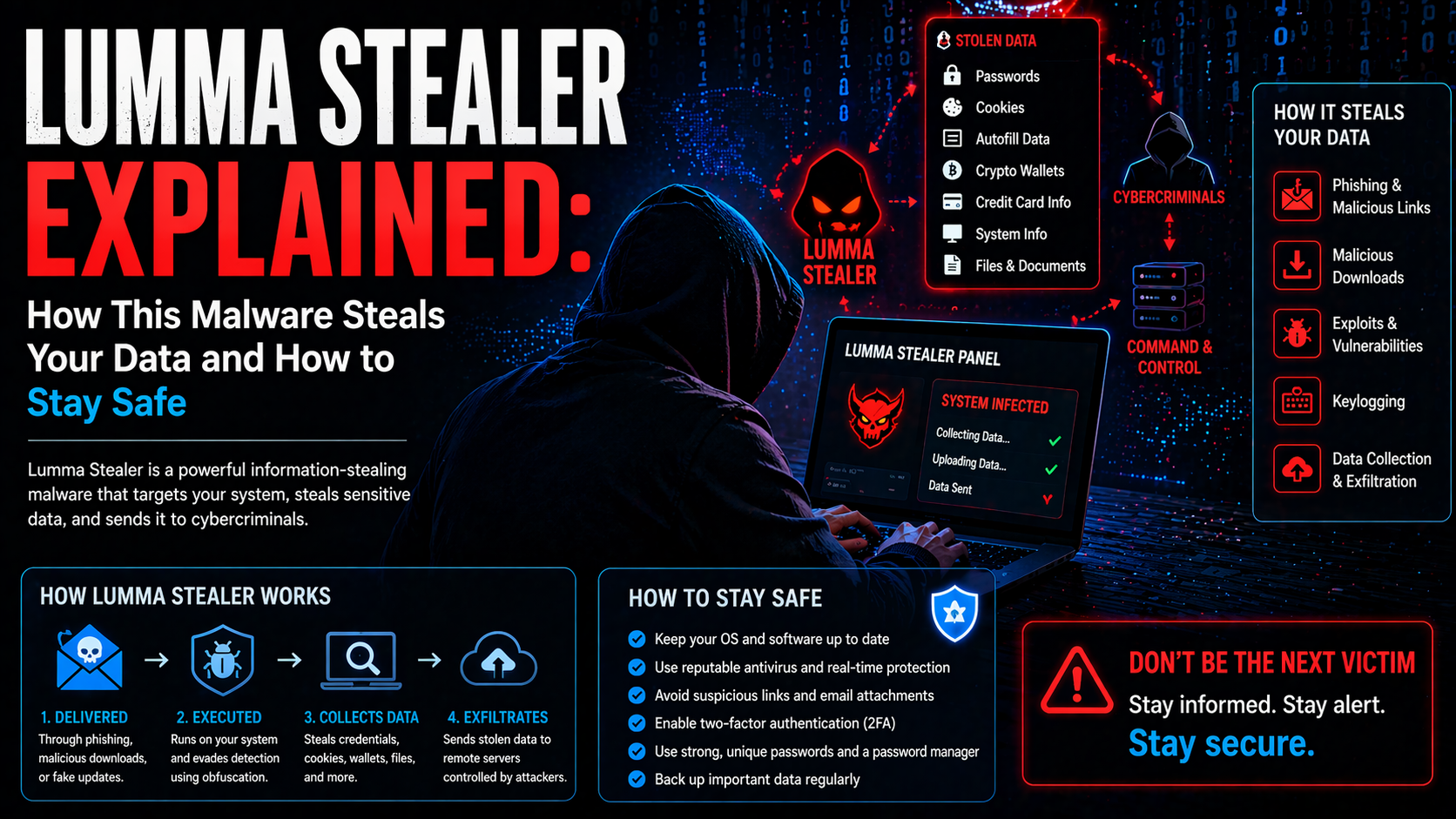
Lumma Stealer is a type of information stealing malware designed to extract sensitive data from infected systems. It primarily targets login credentials, browser-stored passwords, cryptocurrency wallets, and other private information. Once installed, it operates silently in the background, collecting data and sending it to attackers without the user’s knowledge.
This malware is often sold on underground forums as a service, which means even individuals with limited technical skills can use it to launch attacks. This “malware as a service” model has significantly increased its spread, making it more common than many people realize.
Unlike older malware, Lumma Stealer is regularly updated by its developers. These updates help it bypass antivirus programs and adapt to new security measures. This constant evolution is one of the reasons why it has become such a persistent threat.
How Lumma Stealer Spreads
One of the reasons Lumma Stealer is so effective is the variety of ways it spreads. Cybercriminals use multiple techniques to trick users into installing the malware, often disguising it as something harmless or even useful.
Phishing emails are one of the most common methods. These emails may appear to come from trusted companies and often contain attachments or links that, when clicked, download the malware onto the user’s device. The language used in these emails is usually urgent, pushing the user to act quickly without thinking.
Another popular method involves fake software downloads. Users searching for free versions of paid tools, cracked software, or game mods may unknowingly download Lumma Stealer instead. Once installed, the malware begins its work immediately.
Malicious advertisements, also known as malvertising, are another distribution method. These ads can appear on legitimate websites and redirect users to harmful pages that automatically download the malware. Social media platforms are also increasingly being used. Attackers may share links that promise something attractive, such as giveaways or exclusive content, but instead lead to infected downloads.
What Data Lumma Stealer Targets
The primary goal of Lumma Stealer is to collect as much valuable data as possible. This includes usernames and passwords stored in web browsers, which can give attackers access to email accounts, social media profiles, and online banking. It also targets cookies and session tokens, which can allow attackers to bypass login processes entirely. This means they can access accounts without even needing a password. Cryptocurrency wallets are another major target. If a user stores digital assets on their device, Lumma Stealer can extract wallet information and transfer funds to the attacker’s account.
In addition to these, the malware can collect autofill data, saved credit card details, and even files stored on the system. Some versions are also capable of taking screenshots or logging keystrokes, giving attackers even deeper insight into the victim’s activities.
Why Lumma Stealer is So Dangerous
What sets Lumma Stealer apart from many other types of malware is its stealth and efficiency. It is designed to avoid detection, often using encryption and obfuscation techniques to hide its presence. Once inside a system, it does not create obvious disruptions. There are no pop-ups or system crashes that might alert the user. Instead, it quietly collects data over time, making it difficult to notice until significant damage has been done.
Another reason it is so dangerous is the speed at which stolen data can be used. Cybercriminals often sell this information on dark web marketplaces within hours. This means that by the time a victim realizes something is wrong, their data may already be in the hands of multiple attackers. The global reach of Lumma Stealer also adds to its threat level. It does not target a specific region or demographic. Anyone with an internet connection can become a victim.
Signs Your Device May Be Infected
Although Lumma Stealer is designed to remain hidden, there are some subtle signs that may indicate an infection. These signs are often easy to overlook, but paying attention to them can make a significant difference. One common indicator is unusual account activity. If you notice logins from unfamiliar locations or changes to your account settings, it could be a sign that your credentials have been stolen.
Another sign is a sudden increase in spam emails or messages sent from your accounts. This may indicate that attackers are using your accounts to spread malware further. Performance issues, such as a slower system or unexpected background processes, can also be a clue. While these issues can have many causes, they should not be ignored. Unexpected logouts from websites or repeated password reset requests can also signal that someone else is trying to access your accounts.
Real World Impact of Lumma Stealer
The impact of Lumma Stealer goes beyond individual users. Businesses are also at risk, especially those that store sensitive customer data. A single infected device within a company network can lead to a large scale breach. For individuals, the consequences can be devastating. Financial losses, identity theft, and loss of access to important accounts are just some of the possible outcomes. In some cases, victims have reported losing years of personal data or significant amounts of cryptocurrency.
The emotional toll should not be underestimated either. Dealing with a cyberattack can be stressful and time consuming, often requiring victims to rebuild their digital lives from scratch.
How to Protect Yourself from Lumma Stealer
Protecting yourself from Lumma Stealer requires a combination of awareness and good security practices. The first step is to be cautious when interacting with emails, especially those that contain attachments or links. If something feels suspicious, it is better to avoid it. Downloading software only from official sources is another important measure. Avoid using cracked or pirated software, as these are common carriers of malware.
Keeping your operating system and applications updated can also help. Updates often include security patches that fix vulnerabilities exploited by malware. Using strong, unique passwords for each account is essential. A password manager can help manage these securely. Enabling two factor authentication adds an extra layer of protection, making it harder for attackers to gain access even if they have your password. Installing a reliable antivirus program and keeping it updated can help detect and remove threats before they cause damage. While no solution is perfect, having security software significantly reduces the risk.
What to Do If You Are Infected
If you suspect that your device is infected with Lumma Stealer, taking immediate action is crucial. Disconnecting from the internet can help prevent further data from being transmitted to attackers. Running a full system scan with a trusted antivirus program is the next step. This can help identify and remove the malware. Changing your passwords from a clean device is also important. Focus on critical accounts such as email, banking, and social media. Enabling two factor authentication should be done at the same time. Monitoring your financial accounts for unusual activity is essential. If you notice anything suspicious, contact your bank immediately. In more severe cases, a complete system reset may be necessary. While this can be inconvenient, it ensures that the malware is fully removed.
The Future of Lumma Stealer and Similar Threats
The rise of Lumma Stealer highlights a broader trend in cybersecurity. Attackers are becoming more organized, and their tools are becoming more advanced. Malware is no longer just a nuisance it is a business. As long as there is profit to be made, threats like Lumma Stealer will continue to evolve. This makes it essential for users to stay informed and adapt their security practices. At the same time, cybersecurity professionals are constantly working to counter these threats. New detection methods, improved software, and increased awareness are all helping to reduce the impact. However, the responsibility does not lie solely with experts. Every user plays a role in maintaining their own security. Simple actions, such as being cautious online and keeping software updated, can make a significant difference.
Conclusion
Lumma Stealer is a powerful reminder of how vulnerable our digital lives can be. It operates quietly, spreads easily, and targets the very information that defines our online identities. While the threat is real, it is not unbeatable. By understanding how this malware works and taking proactive steps to protect yourself, you can significantly reduce your risk. Awareness is the first line of defense, and in a world where cyber threats are constantly evolving, staying informed is more important than ever. The internet offers incredible opportunities, but it also comes with risks. Navigating it safely requires a balance of trust and caution. With the right approach, you can enjoy the benefits of the digital world without falling victim to threats like Lumma Stealer.

