The internet has changed the way we live, work, and manage money. From online banking to cryptocurrency investments, everything is now just a few clicks away. But with this convenience comes risk. Cybercriminals are constantly evolving, creating smarter and more dangerous tools to exploit unsuspecting users. One of the latest threats gaining attention is something known as Omnistealer Blockchain.
At first glance, the name might sound technical or even harmless. But behind it lies a sophisticated form of cybercrime that targets sensitive data, digital assets, and personal information. Understanding how this threat works is no longer optional. It is essential for anyone who uses the internet, especially those involved in cryptocurrency or online financial transactions.
What is Omnistealer Blockchain?
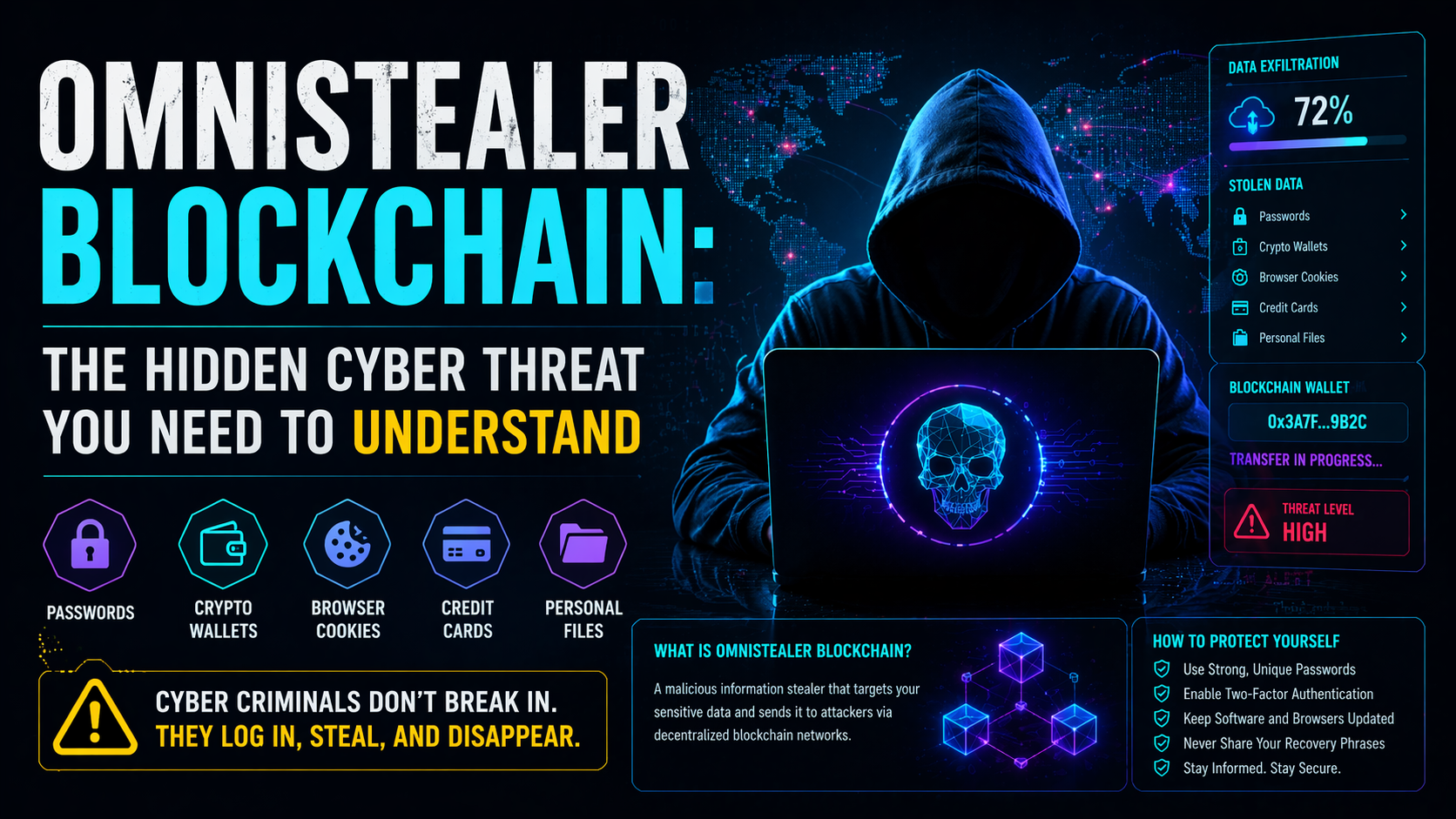
Omnistealer Blockchain is a type of malware associated with information-stealing attacks. It is designed to infiltrate systems, collect valuable data, and send it back to attackers without the user even realizing it. The term “blockchain” in its name does not mean it is part of legitimate blockchain technology. Instead, it often targets users who interact with blockchain-based platforms, such as crypto wallets and exchanges.
Unlike older malware that focuses only on damaging systems, Omnistealer is built for silent data extraction. It can capture login credentials, browser data, saved passwords, crypto wallet keys, and even personal files. In many cases, victims only realize something is wrong after their accounts are compromised or funds are stolen.
How Omnistealer Blockchain Works
The operation of Omnistealer is both clever and dangerous. It usually enters a system through methods that seem harmless at first. This could be a fake software download, a malicious email attachment, or even a compromised website.
Once inside, it begins to work quietly in the background. It scans the device for stored information, especially focusing on browsers and applications linked to financial activity. If you have ever saved a password in your browser or used autofill for forms, that data becomes a prime target. Another key feature of Omnistealer is its ability to monitor clipboard activity. This means if you copy a cryptocurrency wallet address, the malware can replace it with an attacker’s address without you noticing. A single transaction sent to the wrong address is often irreversible, making this one of the most damaging tactics.
Why It Targets Blockchain Users
Blockchain technology itself is secure by design, but the users interacting with it are often the weakest link. Omnistealer takes advantage of this gap. Instead of attacking the blockchain directly, it targets the endpoints—your device, your browser, and your habits.
Cryptocurrency users are particularly attractive targets because transactions are decentralized and usually irreversible. Once funds are stolen, there is little chance of recovery. This makes every successful attack highly profitable for cybercriminals. In addition, many users store their wallet credentials digitally for convenience. While this makes access easier, it also creates an opportunity for malware like Omnistealer to extract that information quickly.
Common Infection Methods
One of the reasons Omnistealer is so effective is the variety of ways it spreads. It does not rely on a single method but instead uses multiple entry points. Phishing emails are one of the most common. These emails often appear to come from trusted sources and may contain links or attachments that install the malware. Fake software downloads are another major source. Users searching for free tools, cracked software, or unofficial apps are at higher risk.
Malicious advertisements and compromised websites also play a role. Simply visiting the wrong site or clicking on a deceptive ad can trigger a download in the background. In some cases, users do not even realize they have installed anything. Social engineering is another powerful tactic. Attackers may trick users into willingly installing software by presenting it as something useful or necessary. This could be a fake update, a security tool, or even a plugin for better performance.
Signs Your System May Be Infected
Omnistealer is designed to stay hidden, but there are still some signs that something may be wrong. A sudden slowdown in system performance can be an early indicator. If your device becomes unusually sluggish without a clear reason, it is worth investigating. Unexpected logouts from accounts or suspicious login attempts are also warning signs. If you receive alerts about activity you did not initiate, it could mean your credentials have been compromised.
Another red flag is changes in your clipboard behavior. If copied text behaves differently or appears altered, it may indicate clipboard monitoring. Additionally, antivirus warnings or unusual background processes should never be ignored. However, it is important to note that many infections show no obvious signs at all. This is what makes Omnistealer particularly dangerous.
The Impact of an Attack
The consequences of an Omnistealer attack can be severe. Financial loss is often the most immediate impact, especially for cryptocurrency users. Once funds are transferred to an attacker’s wallet, recovery is extremely difficult.
Beyond financial damage, there is also the risk of identity theft. Stolen personal information can be used to open accounts, commit fraud, or carry out further attacks. Business users may face data breaches, leading to reputational damage and legal consequences. The emotional impact should not be overlooked either. Discovering that your private information has been stolen can be stressful and frustrating. It often leads to a loss of trust in digital systems, even when they are otherwise secure.
How to Protect Yourself
While the threat is real, there are practical steps you can take to reduce your risk. The first and most important rule is to be cautious with downloads. Only install software from trusted and official sources. Avoid cracked or pirated applications, as they are often used to spread malware.
Keeping your system updated is another essential step. Software updates often include security patches that protect against known vulnerabilities. Ignoring these updates leaves your device exposed. Using strong, unique passwords for each account is also critical. A password manager can help you manage them securely without relying on browser storage. Enabling two-factor authentication adds an extra layer of protection, making it harder for attackers to gain access.
When it comes to cryptocurrency, consider using hardware wallets instead of storing keys on your computer. Hardware wallets keep your private keys offline, making them much harder to steal. Be mindful of emails and links. If something looks suspicious, it probably is. Avoid clicking on unknown links or downloading attachments from unverified sources.
The Role of Antivirus and Security Tools
Security software plays an important role in defending against threats like Omnistealer. A reliable antivirus program can detect and block many types of malware before they cause harm. However, it is not a complete solution.
Modern threats are constantly evolving, and some may bypass traditional detection methods. This is why combining antivirus protection with safe browsing habits is essential. Think of security software as a safety net, not a guarantee. Regular system scans and monitoring tools can also help identify unusual activity. If something seems off, it is better to act quickly rather than wait for clear evidence of an attack.
Why Awareness Matters More Than Ever
Cybersecurity is no longer just a technical issue. It is a personal responsibility. As threats like Omnistealer become more advanced, awareness becomes your first line of defense.
Many attacks succeed not because of complex hacking techniques, but because of simple human mistakes. Clicking the wrong link, downloading the wrong file, or trusting the wrong source can open the door to serious consequences. By staying informed and cautious, you can significantly reduce your risk. It is not about being paranoid, but about being prepared.
The Future of Threats Like Omnistealer
As technology continues to evolve, so will cyber threats. Omnistealer is just one example of how attackers are adapting to new opportunities, especially in the world of blockchain and digital finance.
Future versions of similar malware may become even more sophisticated, using artificial intelligence or advanced evasion techniques. This makes it even more important to stay updated on emerging threats. At the same time, security measures are also improving. Developers, companies, and cybersecurity experts are constantly working to create safer systems. The challenge is to stay one step ahead.
Final Thoughts
Omnistealer Blockchain is a reminder that no system is completely safe if the user is not careful. While blockchain technology itself offers strong security, the devices and habits of users remain vulnerable. The good news is that most attacks can be prevented with basic awareness and smart practices. You do not need to be a cybersecurity expert to protect yourself. Simple steps like cautious downloading, strong passwords, and secure storage can make a huge difference. In a world where digital assets are becoming more valuable, protecting your information is just as important as earning it. Staying informed, alert, and proactive is the best way to ensure that threats like Omnistealer do not catch you off guard.

