In today’s digital world, where data is one of the most valuable assets, controlling who has access to critical systems is no longer optional. Organizations of all sizes are facing increasing cyber threats, and many of these attacks start with compromised credentials. This is where Privileged Access Management becomes essential. It is not just a technical solution but a strategic approach to protecting sensitive systems and information.
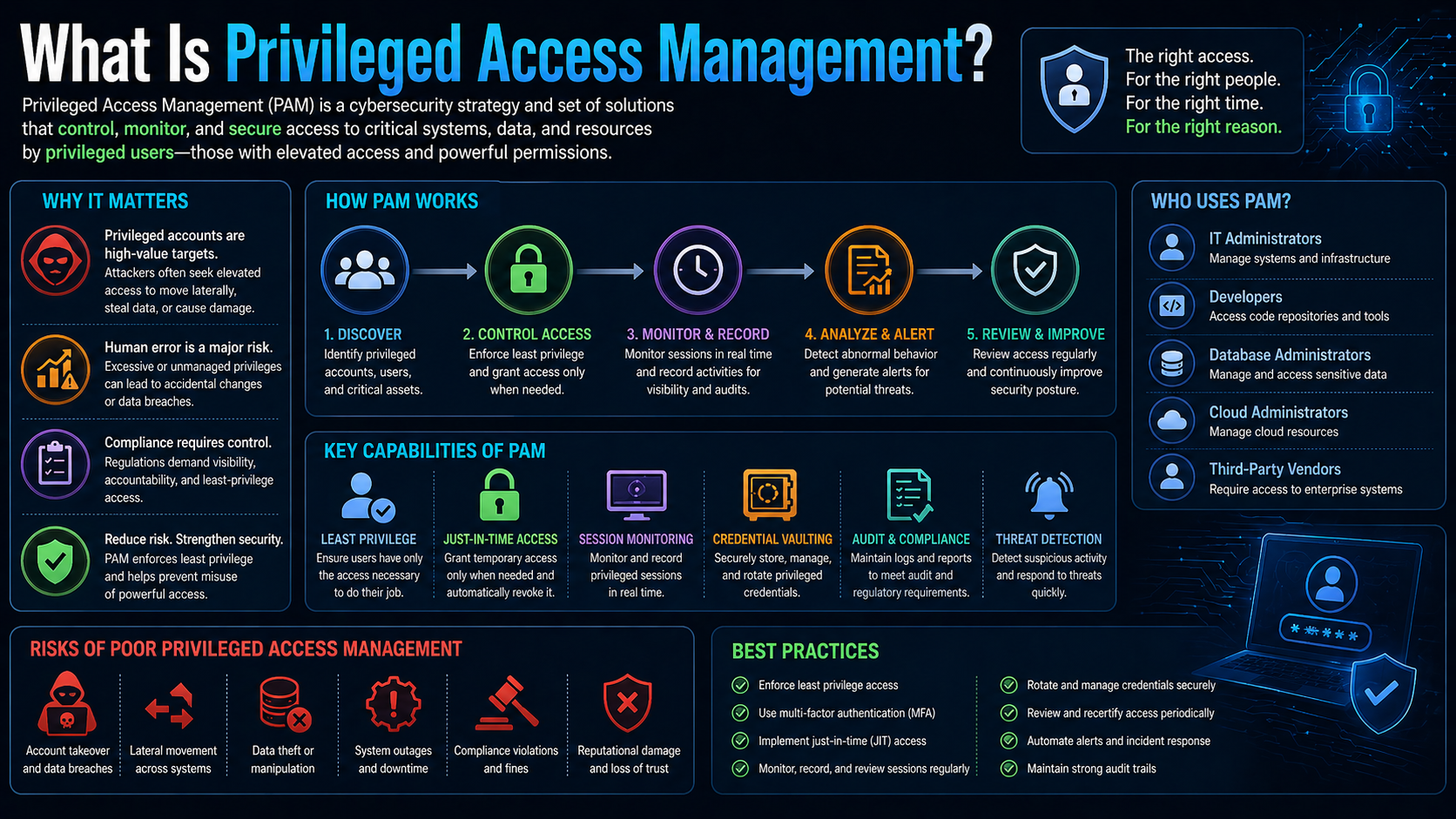
Privileged Access Management, often called PAM, focuses on managing and securing accounts that have elevated permissions. These accounts can control systems, access confidential data, and make critical changes. If they fall into the wrong hands, the damage can be severe. Understanding PAM is the first step toward building a stronger security foundation.
What Is Privileged Access Management
Privileged Access Management refers to a set of policies, tools, and practices designed to control and monitor access to important systems within an organization. It ensures that only authorized individuals can use privileged accounts and that their activities are tracked.
Privileged accounts are not just limited to system administrators. They include database managers, network engineers, application owners, and even automated processes that require high-level permissions. PAM helps reduce the risk associated with these accounts by limiting access and ensuring accountability.
The core idea behind PAM is simple. Not everyone should have unlimited access, and even those who do should be monitored carefully. By enforcing strict access controls, organizations can prevent misuse, whether intentional or accidental.
Why Privileged Access Management Matters
Cyberattacks are becoming more advanced, and attackers often target privileged accounts because they provide the highest level of control. Once an attacker gains access to such an account, they can move freely within the network, access sensitive data, and even disable security systems.
Privileged Access Management helps reduce this risk by creating multiple layers of protection. It ensures that access is granted only when needed and for a limited time. It also records all activities, making it easier to detect suspicious behavior.
Another important reason PAM matters is compliance. Many industries have strict regulations regarding data protection. Implementing PAM helps organizations meet these requirements and avoid legal penalties.
In a human sense, PAM also builds trust. Employees, customers, and partners feel more secure knowing that strong measures are in place to protect sensitive information.
Types of Privileged Accounts
Privileged accounts come in different forms, and each type carries its own level of risk. Understanding these types is important for effective management.
Administrative accounts are the most common. They allow users to manage systems, install software, and change configurations. These accounts are powerful and must be handled with care.
Service accounts are used by applications and services to interact with the system. They often run in the background and may not require human interaction, but they still need strong security controls.
Application accounts are used by software to access databases and other resources. If compromised, they can expose large amounts of data. Emergency accounts, sometimes called break-glass accounts, are used in critical situations when normal access methods fail. These accounts must be tightly controlled and monitored. Each type of account plays a role in the system, and PAM ensures that all of them are properly secured.
Key Features of Privileged Access Management
Privileged Access Management solutions come with a range of features designed to enhance security and control. These features work together to create a strong defense against unauthorized access.
One of the main features is credential vaulting. This means storing passwords and keys in a secure location where they cannot be easily accessed or stolen. Users do not need to know the actual password, as the system can provide access when needed. Another important feature is session monitoring. This allows organizations to track what users are doing during a privileged session. If any suspicious activity is detected, the session can be terminated immediately. Access control is also a key feature. It ensures that users only have access to the resources they need. This principle is often referred to as least privilege. Automation plays a significant role as well. Tasks such as password rotation and access approvals can be automated, reducing the risk of human error.
How Privileged Access Management Works
Privileged Access Management works by creating a controlled environment for accessing sensitive systems. When a user needs access, they must go through an authentication process. This often includes multiple factors such as a password and a verification code. Once authenticated, the user is granted access based on their role and the policies set by the organization. The access is usually temporary and limited to specific tasks.
During the session, all activities are monitored and recorded. This creates a clear audit trail that can be reviewed later. If anything unusual happens, alerts can be triggered to notify security teams. After the session ends, access is revoked, and any temporary credentials are discarded. This ensures that there are no lingering permissions that could be exploited.
This structured approach helps maintain control while allowing users to perform their tasks efficiently.
Benefits of Implementing Privileged Access Management
Implementing Privileged Access Management offers several advantages that go beyond just security. It helps organizations operate more efficiently while reducing risks. One of the biggest benefits is improved security. By controlling access and monitoring activities, PAM reduces the chances of data breaches and insider threats.
Another benefit is better visibility. Organizations can see who is accessing what and when. This level of transparency makes it easier to identify potential issues. PAM also supports compliance efforts. Detailed logs and reports make it easier to demonstrate adherence to regulations. From an operational perspective, PAM simplifies access management. Automated processes reduce manual work and ensure consistency.
Finally, PAM helps build a culture of responsibility. When users know their actions are being monitored, they are more likely to follow best practices.
Challenges in Privileged Access Management
While Privileged Access Management is highly beneficial, it is not without challenges. Implementing and maintaining a PAM solution requires careful planning and effort. One of the main challenges is complexity. Managing different types of accounts and systems can be difficult, especially in large organizations.
User resistance can also be an issue. Employees may find the additional security steps inconvenient, especially if they are used to having unrestricted access.
Integration with existing systems can be another hurdle. Ensuring that PAM works seamlessly with other tools and platforms requires technical expertise. There is also the challenge of keeping policies up to date. As organizations grow and change, access requirements evolve, and policies must be adjusted accordingly. Despite these challenges, the benefits of PAM far outweigh the difficulties when implemented correctly.
Best Practices for Privileged Access Management
To get the most out of Privileged Access Management, organizations should follow certain best practices. These practices help ensure that the system is effective and sustainable. One important practice is enforcing the principle of least privilege. Users should only have access to what they need to perform their tasks.
Regular audits are also essential. Reviewing access logs and permissions helps identify and address potential issues. Strong authentication methods should be used. Multi-factor authentication adds an extra layer of security. Password management is another critical area. Passwords should be complex, regularly updated, and stored securely. Training employees is equally important. Users should understand the importance of security and how to follow best practices. By following these guidelines, organizations can maximize the effectiveness of their PAM strategy.
Real-World Use Cases of Privileged Access Management
Privileged Access Management is used across various industries to protect critical systems and data. In the healthcare sector, it helps secure patient records and ensure compliance with regulations. In the financial industry, PAM protects sensitive financial data and prevents fraud. Banks and financial institutions rely on PAM to maintain trust and security.
In the IT sector, PAM is used to manage access to servers, databases, and cloud environments. It ensures that only authorized personnel can make changes. Government organizations also use PAM to protect national security data and critical infrastructure. These real-world applications highlight the importance of PAM in today’s digital landscape.
Future of Privileged Access Management
As technology continues to evolve, so does the need for advanced security solutions. The future of Privileged Access Management is closely tied to emerging technologies such as artificial intelligence and machine learning. These technologies can help detect unusual behavior and respond to threats in real time. They can also automate more processes, making PAM more efficient and effective.
Cloud computing is another factor shaping the future of PAM. As more organizations move to the cloud, managing access across different environments becomes more complex. PAM solutions are evolving to address these challenges. Zero trust architecture is also gaining popularity. This approach assumes that no user or system can be trusted by default, and PAM plays a key role in implementing this model. The future of PAM is not just about technology but also about mindset. Organizations are becoming more aware of the importance of security and are investing in solutions that protect their assets.
Conclusion
Privileged Access Management is a critical component of modern cybersecurity. It provides the tools and strategies needed to control and monitor access to sensitive systems. By implementing PAM, organizations can reduce risks, improve visibility, and ensure compliance. While there are challenges involved, the benefits make it a worthwhile investment. With the right approach and best practices, PAM can become a powerful defense against cyber threats. In a world where data breaches are becoming more common, taking control of privileged access is not just a technical necessity but a responsibility. It is about protecting not only systems and data but also the trust of everyone who depends on them.

