In today’s digital world, where everything from banking to communication depends on technology, security is no longer optional. One weak point in a system can open the door to serious damage. This is where vulnerability assessment comes into play. It is a process used to identify, analyze, and prioritize security weaknesses in systems, networks, or applications before attackers can exploit them.
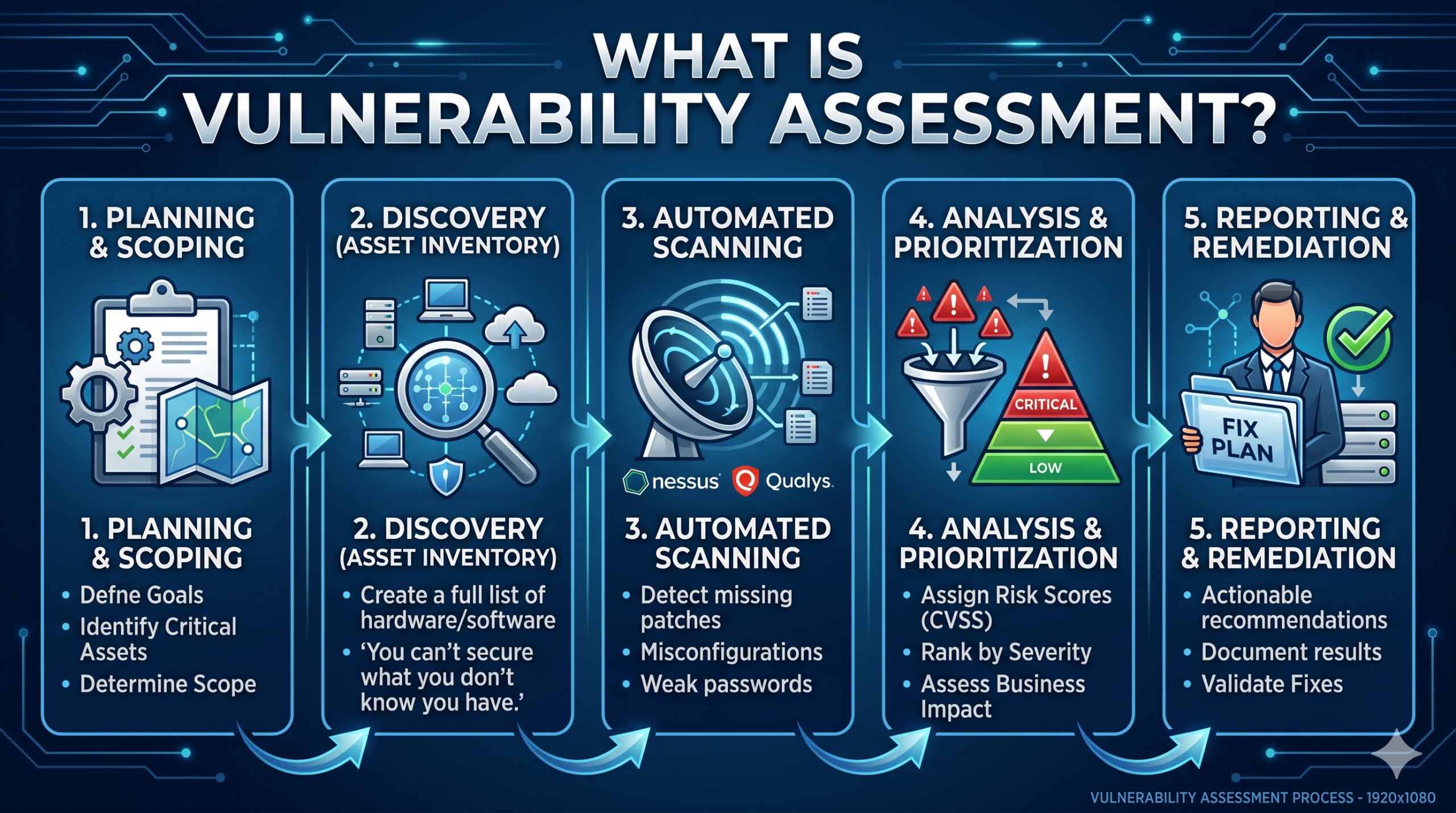
A vulnerability assessment is not about breaking into systems but about finding the cracks before someone else does. It gives businesses and individuals a clear understanding of where they stand in terms of security and what needs immediate attention.
Why Vulnerability Assessment Matters More Than Ever
Cyber threats are growing rapidly, and attackers are becoming more advanced. Even small websites or personal systems are not safe anymore. Hackers often look for easy targets, and a simple misconfiguration or outdated software can be enough for them. A vulnerability assessment helps reduce risk by identifying these weak spots early. Instead of reacting after a cyberattack, it allows you to act before damage happens. This proactive approach can save money, protect data, and maintain trust with users or customers.
Another important reason is compliance. Many industries require organizations to follow security standards. Regular vulnerability assessments help meet these requirements and avoid penalties.
Understanding Vulnerabilities in Simple Terms
A vulnerability is simply a weakness. It can exist in software, hardware, or even human behavior. For example, using weak passwords, not updating software, or leaving ports open can all create vulnerabilities.
Some vulnerabilities are technical, like bugs in software code. Others are operational, like poor security policies. There are also human vulnerabilities, such as falling for phishing emails. A proper assessment looks at all these aspects to give a complete picture.
How Vulnerability Assessment Works
The process of vulnerability assessment follows a structured path. It usually starts with defining what needs to be tested. This could include networks, servers, applications, or even cloud environments. The next step is scanning. Specialized tools are used to scan systems for known vulnerabilities. These tools compare the system’s configuration against a database of known issues and highlight potential risks.
After scanning, the results are analyzed. Not every vulnerability is equally dangerous. Some may have a high risk of exploitation, while others may be less critical. The assessment helps prioritize which issues should be fixed first. Finally, a report is created. This report explains the vulnerabilities found, their severity, and recommendations for fixing them. It acts as a roadmap for improving security.
Types of Vulnerability Assessments
There are different types of vulnerability assessments depending on what you want to secure. Each type focuses on a specific area and helps uncover unique risks. Network-based assessments focus on identifying vulnerabilities in network infrastructure such as routers, switches, and firewalls. These assessments help ensure that unauthorized access is prevented. Application-based assessments analyze software applications for flaws like improper input validation or authentication issues. This is especially important for websites and mobile apps.
Host-based assessments look at individual systems such as servers or computers. They check for outdated software, missing patches, and misconfigurations. Wireless assessments examine Wi-Fi networks for weaknesses like weak encryption or unauthorized access points. Each type plays a role in building a complete security strategy.
Difference Between Vulnerability Assessment and Penetration Testing
Many people confuse vulnerability assessment with penetration testing, but they are not the same. While both are important, they serve different purposes. A vulnerability assessment is about identifying weaknesses. It gives a broad overview of potential risks. On the other hand, penetration testing goes a step further. It involves actively trying to exploit vulnerabilities to see how far an attacker can go.
Think of vulnerability assessment as a health check-up, while penetration testing is like a stress test. Both are valuable, but vulnerability assessment is usually the first step in understanding security.
Tools Used in Vulnerability Assessment
There are many tools available to perform vulnerability assessments. These tools automate the scanning process and make it easier to identify issues quickly. Some tools focus on network scanning, while others specialize in web applications or cloud environments. Popular tools often include features like automated scanning, reporting, and risk scoring.
However, tools alone are not enough. Human expertise is essential to interpret results accurately. Sometimes tools may produce false positives or miss complex vulnerabilities. A skilled professional can analyze the findings and provide meaningful insights.
Common Vulnerabilities Found During Assessments
During a vulnerability assessment, certain issues appear frequently. One of the most common is outdated software. Many systems fail to install updates regularly, leaving them exposed to known attacks. Weak passwords are another major problem. Simple or reused passwords make it easy for attackers to gain access. Misconfigured systems also create risks. For example, leaving unnecessary services running or open ports can provide entry points for hackers.
Another common issue is lack of encryption. Sensitive data that is not properly encrypted can be easily intercepted. Identifying these common vulnerabilities is the first step toward building stronger security.
Benefits of Regular Vulnerability Assessment
Conducting vulnerability assessments regularly brings several benefits. It helps maintain a strong security posture by continuously identifying new risks. Technology changes quickly, and new vulnerabilities are discovered every day. Regular assessments ensure that systems stay protected against the latest threats.
It also improves decision-making. By understanding which vulnerabilities are most critical, organizations can allocate resources effectively. Another benefit is increased trust. Customers and users feel more confident when they know their data is protected. This can improve reputation and business growth.
Challenges in Vulnerability Assessment
While vulnerability assessment is important, it is not without challenges. One of the biggest challenges is dealing with large amounts of data. Scanning tools can generate many results, and it can be difficult to prioritize them.
Another challenge is false positives. Sometimes tools report vulnerabilities that do not actually exist. This can waste time and resources if not handled properly. Keeping up with new vulnerabilities is also a challenge. The threat landscape is constantly evolving, and assessments need to be updated regularly. Despite these challenges, the benefits far outweigh the difficulties when done correctly.
Best Practices for Effective Vulnerability Assessment
To get the most out of vulnerability assessments, certain best practices should be followed. One important practice is to perform assessments regularly instead of treating them as a one-time task. It is also important to keep systems updated. Installing patches and updates can fix many vulnerabilities before they become a problem.
Another key practice is to prioritize vulnerabilities based on risk. Not all issues need immediate attention, so focusing on high-risk vulnerabilities first is essential. Involving skilled professionals is also important. Automated tools are helpful, but human expertise ensures accurate analysis and better decision-making.
Role of Vulnerability Assessment in Cybersecurity Strategy
Vulnerability assessment is a core part of any cybersecurity strategy. It acts as a foundation for identifying risks and planning defenses. Without understanding where vulnerabilities exist, it is impossible to protect systems effectively. Assessments provide the insights needed to build strong security controls.
They also work well with other security measures such as firewalls, intrusion detection systems, and security monitoring. Together, they create a layered defense that makes it harder for attackers to succeed.
Real-World Impact of Ignoring Vulnerabilities
Ignoring vulnerabilities can lead to serious consequences. Data breaches, financial losses, and damage to reputation are just a few examples. Many major cyberattacks happen because of known vulnerabilities that were never fixed. Attackers often exploit these weaknesses because they are easy targets.
Even small businesses can suffer significant damage. A single attack can disrupt operations and lead to loss of customer trust. This is why vulnerability assessment should never be ignored. It is a necessary step in protecting digital assets.
Future of Vulnerability Assessment
As technology continues to evolve, vulnerability assessment is also changing. With the rise of cloud computing, artificial intelligence, and Internet of Things devices, new types of vulnerabilities are emerging. Modern assessments are becoming more advanced and automated. They can now detect complex vulnerabilities and provide real-time insights.
At the same time, human expertise remains crucial. Understanding context, analyzing risks, and making decisions require human judgment. The future will likely see a combination of advanced tools and skilled professionals working together to improve security.
Final Thoughts
Vulnerability assessment is not just a technical process. It is a proactive approach to staying safe in a digital world full of risks. By identifying weaknesses before attackers do, it helps protect systems, data, and users. It does not matter whether you are an individual, a small business, or a large organization. Understanding your vulnerabilities is the first step toward better security. Regular assessments, combined with proper action, can make a huge difference. In a world where cyber threats are constantly evolving, staying prepared is the best defense.

