There’s a type of player who can manage a sprawling empire across three continents in a strategy game but can’t account for where half their salary went last month. The skills exist. The transfer hasn’t happened yet. Gaming and personal finance share more mechanics than most people notice. Understanding the overlap isn’t just interesting, it’s genuinely useful.
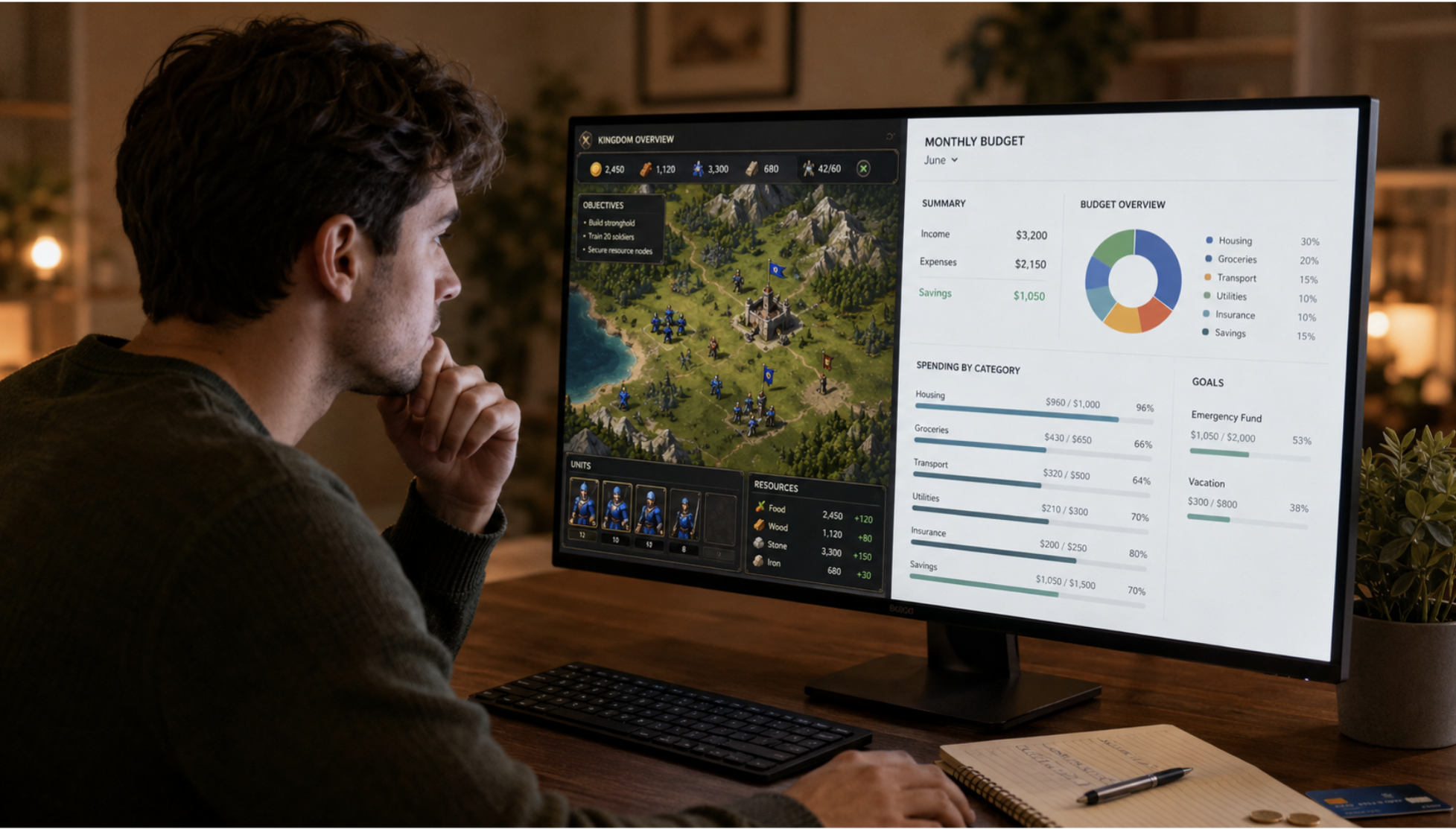
Games Are Resource Management Simulations
The best players develop an almost automatic cost-benefit instinct. They don’t spend what they can’t replace. They invest early in things that generate returns later. They know when to be aggressive and when to hold reserves. These aren’t personality traits — they’re learned behaviours, reinforced by thousands of hours of feedback loops.
Turkey has one of the most active gaming populations in the region. A large portion of that audience is in their twenties and early thirties. The cognitive infrastructure for smart money management is often already in place. It just hasn’t been pointed at the right problem.
The digital entertainment space has understood this connection for a while. 1 king giriş is one platform operating at the intersection of structured engagement and user decision-making. The behavioural design behind platforms like this (feedback, pacing, visible progress) is exactly what makes financial tracking systems work when people actually use them.
The Direct Translations: Game Mechanics to Money Habits
Some parallels are loose. These ones aren’t.
Cooldown management = impulse control Every experienced player knows not to burn all their abilities at once. You wait. You time things. Impulse spending is the financial equivalent of blowing every resource the moment it becomes available, and then having nothing left when it actually matters.
Side quests vs. main objectives = wants vs. needs In games, side quests are optional. A budget works the same way. Discretionary spending isn’t wrong. Letting it derail your primary financial objectives is.
Save states = emergency fund Experienced players save before high-risk moments. An emergency fund is exactly this — not a pessimistic precaution but a tactical backup that lets you take calculated risks elsewhere without catastrophic downside.
According to research published by the OECD on financial behaviour, individuals who demonstrate scenario planning and delayed gratification — core gaming competencies — show significantly stronger long-term financial outcomes than those relying on intuition alone.
Common Gaming Habits That Work Against Financial Health
The same tendencies that make games addictive can quietly undermine real-world finances:
- Chasing losses — throwing more resources at a failing strategy instead of cutting it.
- Optimising the wrong metrics — focusing on income while ignoring net worth or savings rate.
- Neglecting maintenance costs — ignoring recurring small expenses that drain resources steadily.
- Tunnel vision on the next reward — short-term gratification at the expense of long-term position.
These aren’t character flaws. They’re patterns. And patterns, once identified, can be interrupted.
Making the Transfer Practical
Awareness isn’t enough. The gap between knowing the parallel and acting on it requires one specific step: applying the same intentionality to real finances that you bring to in-game decisions. Start simple. Track spending for one month with the same attention you’d give a resource map — where is everything going, and is it contributing to the objective? Most people who do this once find at least two or three significant leaks they weren’t aware of.

