Weekends tend to go one of two ways: either you’re lounging on the couch until you’re exhausted, or you’re running around like crazy and feeling even more tired by Monday. Both options are bad because they ignore the key point: the body and brain require different types of recovery. Many people think that rest requires complete sedentary living: sitting down to play at Lux Casino or binge-watching a TV series all day – and that’s it. In fact, such passive leisure only works when combined with movement, and psychologists and doctors have long proven that people need both modes for effective recovery.
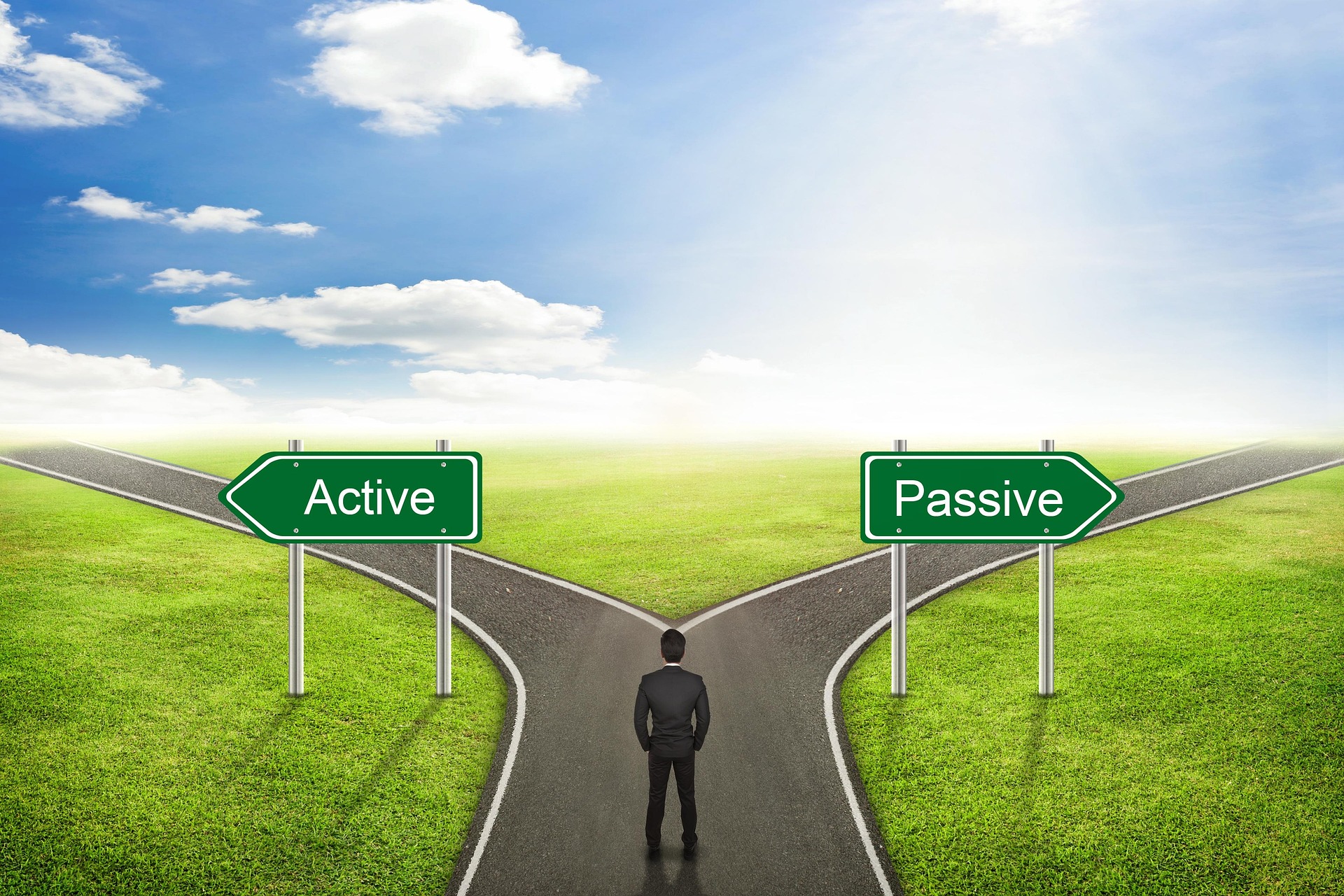
Why both types of rest are necessary
Taking it easy helps your nervous system bounce back. When you kick back, read, or watch something easy, your brain gets to chill out. Stress hormones go down, your body chills out, and your thoughts slow down. This is great after you’ve been thinking hard or dealing with stress. Getting active gets your blood moving, wakes up your cells, and makes you feel good. Things like walking, biking, and swimming ease tight muscles and lift your mood. Moving around helps you get out of your head and back into your body, which is super useful if you work at a computer. It might sound weird, but getting active actually gives you energy, even if it feels tiring at first.
Signs of Imbalance
You can recognize an imbalance by several symptoms:
- Constant fatigue, even after the weekend, indicates a lack of proper recovery.
- Anxiety and an inability to relax indicate an excess of inactivity, according to psychologists and the American Psychological Association.
- Irritability and apathy signal a lack of movement and fresh air.
- Back and neck pain occur from prolonged sitting without physical relaxation.
- Sleep problems are often related to the body not being physically tired.
The body sends these signals regularly, but we tend to ignore them. Paying attention to your own sensations helps you adjust your rest regimen in a timely manner and avoid burnout or chronic fatigue.
How to Build Balance in Practice
Here’s a simple tip: For every two hours you chill, make sure to get at least 30 minutes of activity. You don’t need to go all-out. Just walk to the shops instead of driving. Use the stairs instead of the lift. Stretch while the ads are on, or between TV episodes.
When planning your weekends, mix it up a bit. Go for a run or swim in the morning, do some stuff during the day, then chill with a book or film in the night. This way, you rest well and don’t spend the whole weekend as a couch potato. Pay attention to your body. If you are feeling overwhelmed, get some quiet rest. If you are feeling tired and down, move around. Finding the right balance isn’t strict; it’s about figuring out what works for you and being ready to switch things up as needed. The secret is knowing how you feel and being open to doing things differently depending on your mood.

